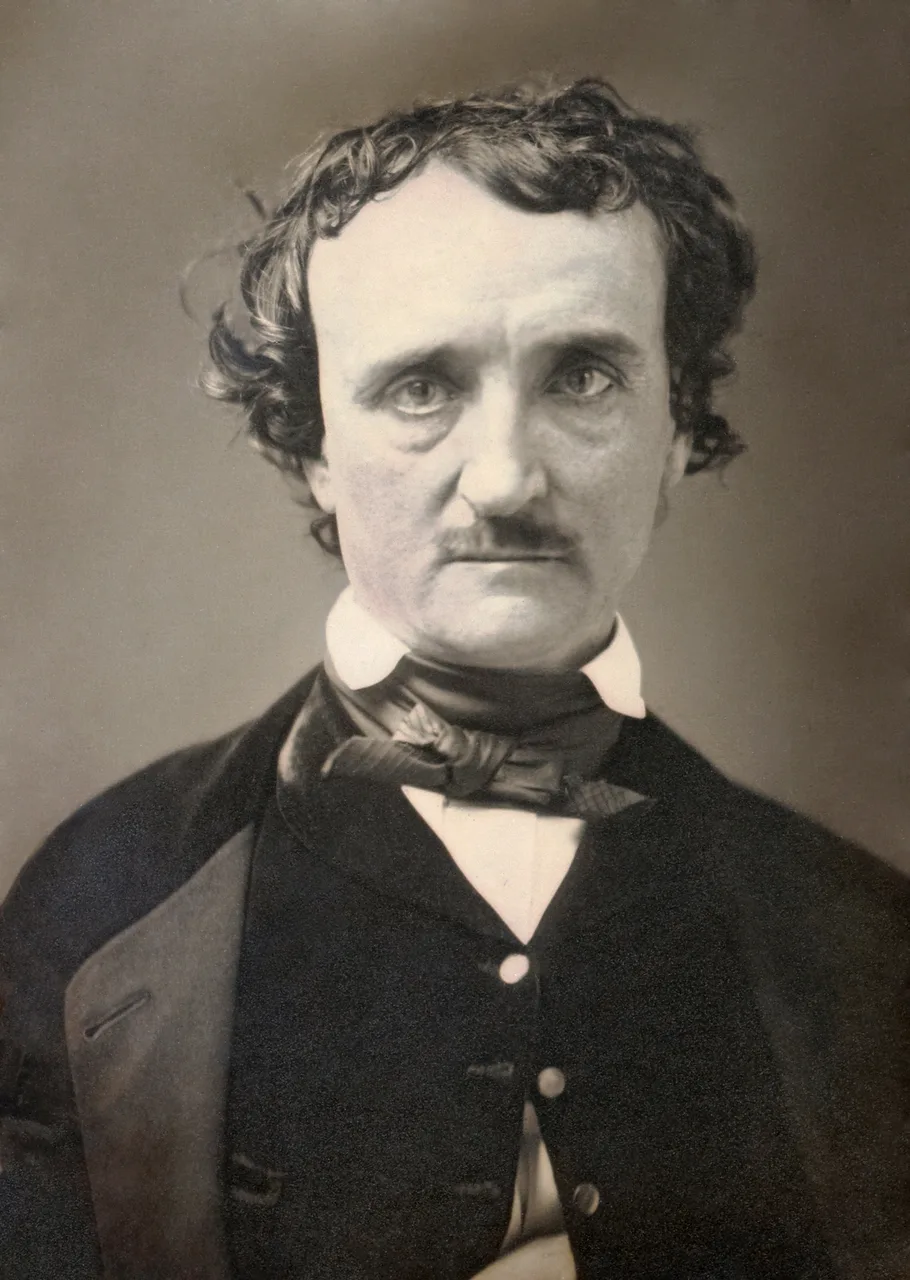
 Edgar Allan Poe
Definition.com
The Book's abundance is among the greatest evils of this age, since it presents one of the most serious obstacles to the acquisition of correct information by throwing in the reader's way piles of lumber in which he must painfully grope for the scraps of useful matter, peradventure interspersed.
Definition.com
Brevity also runs the risk of excessive conciseness. A poem may be improperly brief. Undue brevity degenerates into mere epigrammatism.
Definition.com
The Cipher is impossible to make unbreakable. Human ingenuity cannot concoct one which human ingenuity cannot resolve.
Definition.com
Coincidence is a great stumbling blocks in the way of thinkers who know nothing about probability.
Definition.com
The Daydreamer is cognizant of many things which escape those who dream only by night. In his gray visions he obtains glimpses of eternity, and thrills, in waking, to find that he has been upon the verge of the great secret. In snatches, he learns something of the wisdom which is of good, and more of the mere knowledge which is of evil.
Definition.com
Death is metamorphosis and most significant when joined with the theme of rebirth to a higher, creative, moral, or cosmic consciousness.
Definition.com
Decorum is that bug-bear which deters so many from bliss until the opportunity for bliss has forever gone by.