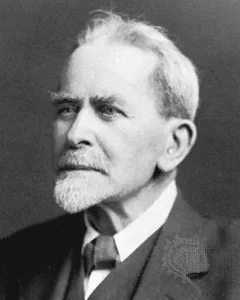
 James Frazer
20 definitions
James Frazer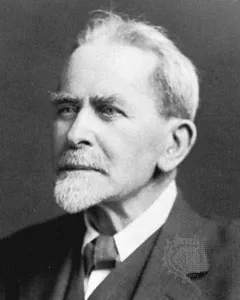
James Frazer
1854 – 1941
Definition.com
Contagious magic (n.) is on our radar. Try again later or consider contributing!
Definition.com
Execution (n.) is the form human sacrifice takes when a nation becomes civilized. Human sacrifice is not dropped altogether but rather confounded with the execution of those wretches as would be put to death at any rate.
Definition.com
The First theory of totemism (n.) is the idea of deposit the external soul for safe keeping in a particular plant or animal... but since the animals or plants of a single species are difficult to distinguish, the savage 'does not know which the dear one is,' and is 'obliged to spare them all from fear of injuring one' thus creating the totemistic relationship.
Definition.com
Human sacrifice (n.) is not dropped when a nation becomes civilized. Rather it is transformed and confounded with the execution of those wretches as would be put to death at any rate.
Definition.com
The Law of contiguity (n.) is, in superstitious magic, the idea that 'objects which have been in contact, but since ceased to be so, continue to act on each other at a distance after the physical contact has been severed. This of course is an example of metonymy.
Definition.com
The Law of similarity (n.) is, in superstitious magic, the notion of a 'like produces like' relationship... essentially, magic through metaphor.
Definition.com
Law of sympathy (n.) is on our radar. Try again later or consider contributing!
Definition.com
A Lost rationality (n.) is the notion that magic conducted sound reasoning from false principles rather than out of mere irrationality.
Definition.com
Magic's (n.) second principle is that things which have once been in contact with each other continue to act on each other at a distance after the physical contact has been severed.
Definition.com
Magic (n.) is the bastard sister of science.
Definition.com
Magic - science - religion (n.) is on our radar. Try again later or consider contributing!