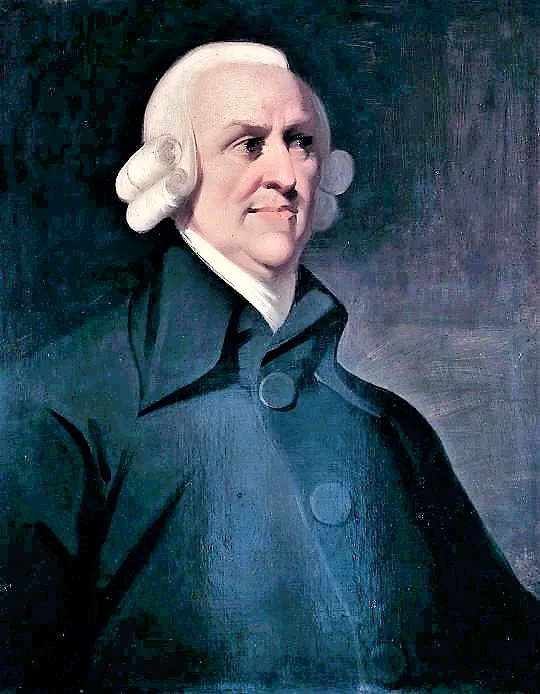
 Adam Smith
44 definitions
Definition.com
Beggar-thy-neighbor (n.) is the idea of curing domestic depression and unemployment by shifting effective demand away from imports onto domestically produced goods.
Definition.com
Business's (n.) interest is always different and even opposite to that of the public. Its interest is in nothing other than widening the market and narrowing the competition.
Definition.com
Capitalism (n.) is a system which, left to itself, would reveal its own silent rationality e creation of private property, and that is the right for any individual to own whatever it is they create.
Definition.com
Capitalism (n.) is based on the idea that it is not from the benevolence of the butcher, the brewer, or the baker that we expect our dinner, but from their regard to their own interest.
Definition.com
Capitalism (n.) is capable of generating great increases in the wealth of nations.
Definition.com
Capitalism (n.) is good because it accommodates a healthy, well-formed self-love.
Definition.com
Capitalism (n.) is a system always in danger of fostering vanity instead of healthy self-love.
Definition.com
Capitalism (n.) is a system whereby the more money you have, the easier it is to make money, and the less money you have, the harder. The affluence of the rich supposes the indigence of the many.
Definition.com
Consumption (n.) is the sole end and purpose of all production. The interest of the producer ought to be attended to, only so far as it may be necessary for promoting that of the consumer.
Definition.com
The Division of labor (n.) is the source of wealth of nations.
Definition.com
Fraud (n.) is kept at a minimum in business by the fear of losing customers.
Definition.com
Government (n.) is instituted for the security of property, and is thus for the defense of the rich against the poor, or of those who have some property against those who have none at all.
Definition.com
Happiness (n.) is having health, being out of debt, and having a clear conscience.
Definition.com
The Human (n.) is a bartering animal, in which self-love or egotism is the primary human trait, and competitiveness the natural condition.
Definition.com
Inequality (n.) is to be found wherever there is great property. The affluence of the few supposes the indigence of the many.