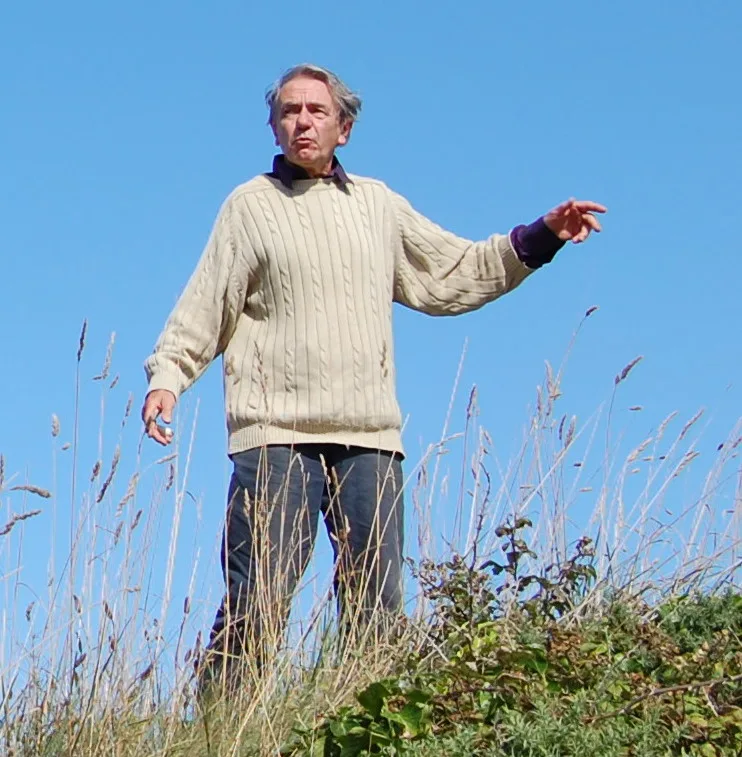
 Jacques Ranciere
Definition.com
The Aesthetic regime of art is the system of genres, the hierarchy of the representative regime of art, isolates art in the singular (a paradoxical unity of logos and pathos).
Definition.com
The Aesthetic revolution is an early 19th century transition from the representative regime of art in the name of the aesthetic regime.
Definition.com
The Aesthetic unconscious is a conjunction of competing conceptions of the unconscious which1 represent meaning on the one hand as decipherable (like language) and on the other, indecipherable (like silence).
Definition.com
Aesthetics is not just about art, but more broadly it involves how action, production, perception, and thought determine what can take shape as 'sensible'.
Definition.com
A Community of equals is a presupposition that community is in constant need of verification rather than requiring a goal to be attained.
Definition.com
Consensus is the troubling presupposition that every part of a population and all of its problems can be incorporated into single a political order and taken into account.
Definition.com
Democracy is neither a form of government nor a style of social life, but an act which disturbs the political order by calling into question its very coordinates of perception, thought, and action.
Definition.com
The Demos is simultaneously the name of a community and the title signifying the division of a community due to a wrong.
Definition.com
Dissensus is a fundamental discord resulting from conflicts over the distribution of the sensible.
Definition.com
Emancipation is not the end of a political project nor a state of social liberation, but a process involving the always precarious and always intermittent challenge to the status quo.