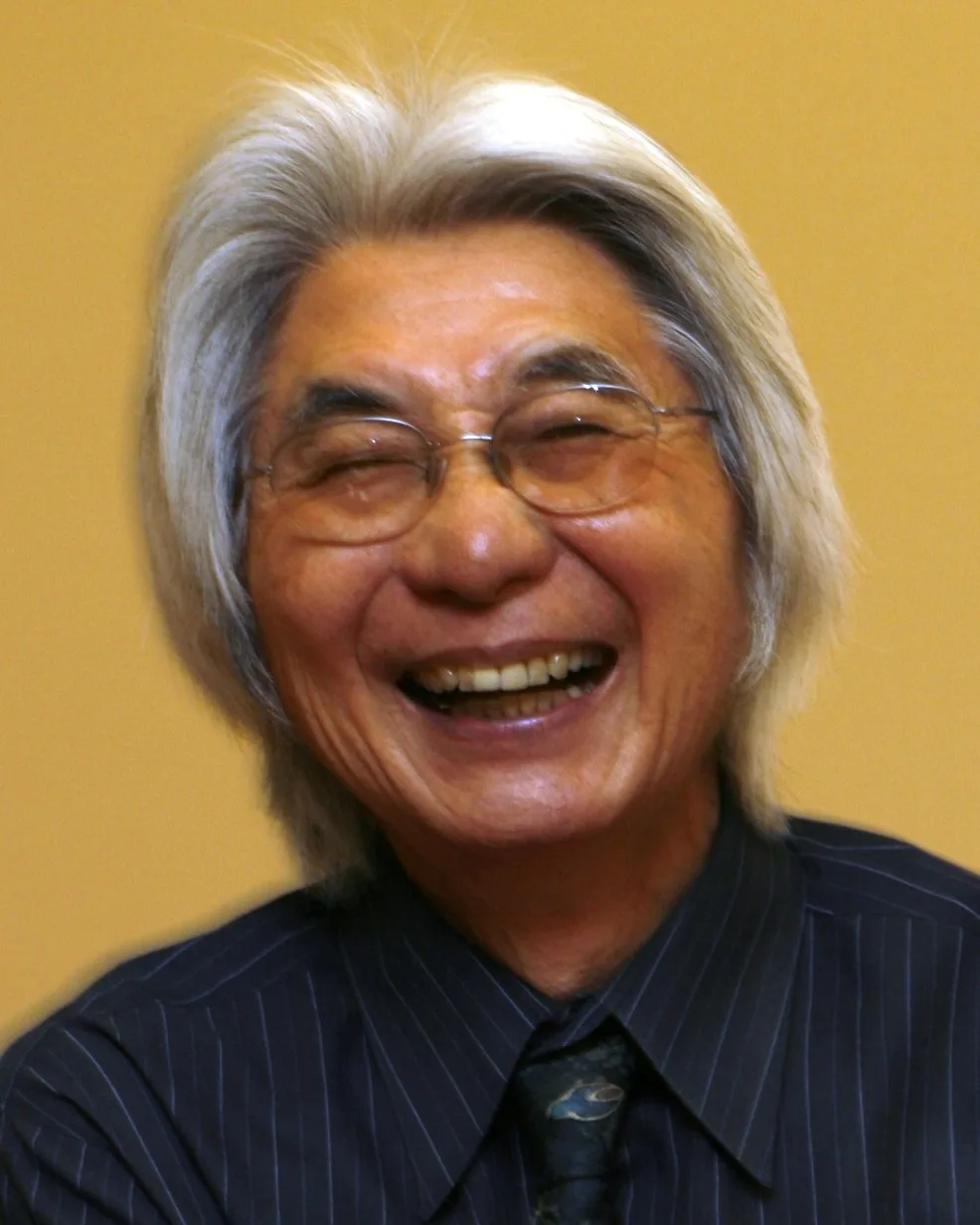
 Ronald Takaki
Definition.com
The Atomic bombing of Hiroshima is an event that was carried out as a result of a set of military, political and cultural needs: The military need to end the war, the political confrontation with Russia, as well as the cultural passions of rage.
Definition.com
The Atomic bombing of Hiroshima is an action that was carried out because the gigantic federal expenditure for the manhattan project seemed to require justification through its use on the battlefield.
Definition.com
The Atomic bombing of Hiroshima is an action that was carried out by Truman to intimidate and confront a looming Soviet threat since force is the only thing the Russians understand.
Definition.com
The Atomic bombing of Hiroshima is an action that was carried out unnecessarily, as Japan was, even prior to the dropping of the bomb, seeking a way to negotiate a surrender whose only condition was that the emperor system not be abolished, a condition which the U.S. Indeed viewed in a favorable light.
Definition.com
The Atomic bombing of Hiroshima is an action responsible for making an invasion unnecessary and hastening the end of the war, but the motivations were far more complicated.
Definition.com
The Atomic bombing of Hiroshima is an action justified by some as less awful than the firebombing which was already burning everybody to death.
Definition.com
The Atomic bombing of Hiroshima is an action justified by some on the basis that strategic bombing was already killing civilians on a large scale.
Definition.com
The Atomic bombing of Hiroshima is an action seen by some policymakers and scientist as a net positive on the hope that it might frighten everyone into cooperating to control this terrifying new force.
Definition.com
The Atomic bombing of Hiroshima was, for the Japanese moderates, a supreme opportunity to turn the tide against the die-hards and to shake the government from the yoke of military oppression.