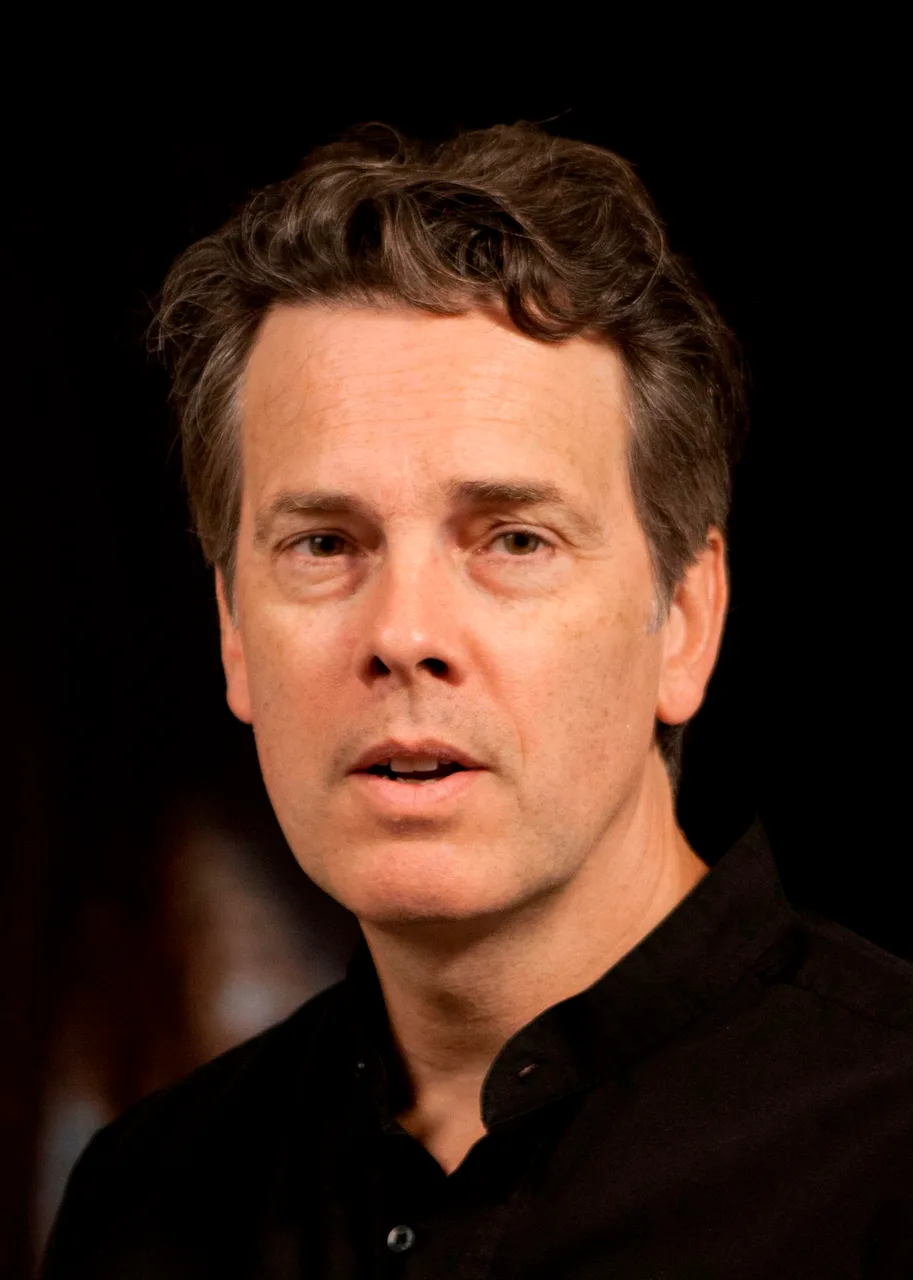
 Stephen Hicks
Definition.com
G.W.F. Hegel had no intention of trying to solve the epistemological puzzles about perception, concept-formation, and induction that had set Kant’s agenda, in order to show us how we might acquire knowledge of the noumenal. Instead, taking a cue from Johann Fichte, Hegel’s strategy was to assert boldly an identity of subject and object, thus closing the gap metaphysically.
Definition.com
G.W.F. Hegel's philosophy is another fundamentally Counter-Enlightenment attack on reason and individualism.
Definition.com
G.W.F. Hegel is in agreement with Kant that realism and objectivism were dead ends. Kant had transcended them by making the subject prior, but from Hegel’s perspective he had been too wishy-washy in doing so.
Definition.com
G.W.F. Hegel's attempt to preserve the spirit of Judeo-Christian metaphysics led him to be more anti-reason and antiindividualist than Kant ever was.
Definition.com
G.W.F. Hegel's philosophy centered upon metaphysics, While Kant’s concerns centered upon epistemology.
Definition.com
G.W.F. Hegel's philosophy is a partially secularized version of traditional Judeo-Christian cosmology.
Definition.com
Immanuel Kant is a thinker for whom external reality thus drops almost totally out of the picture, and we are trapped inescapably in subjectivity—and that is why Kant is a landmark. Once reason is in principle severed from reality, one then enters a different philosophical universe altogether. .
Definition.com
Immanuel Kant is a thinker for whom preserving faith led him to deny reason, while for Hegel preserving the spirit of Judeo-Christian metaphysics led him to be more anti-reason and antiindividualist than Kant ever was.
Definition.com
Immanuel Kant made the subject responsible only for the phenomenal world of experience, leaving noumenal reality forever closed off to us. This was intolerable to Hegel—after all, the whole point of philosophy is to achieve union with reality, to escape the merely sensuous and finite and to come to know and be one with the supersensuous and infinite.
Definition.com
Immanuel Kant prohibits knowledge of anything outside our skulls. He gives reason lots to do within the skull, and he does advocate a well-organized and tidy mind, but this hardly makes him a champion of reason.The point for any advocate of reason is that there is a whole world outside our skulls, and reason is essentially about knowing it. Kant’s contemporary Moses Mendelssohn was thus prescient in identifying Kant as 'the all-destroyer.' .
Definition.com
Immanuel Kant's concerns centered upon epistemology, just as Hegel’s centered upon metaphysics.
Definition.com
Immanuel Kant is the all-destroyer for he prohibits knowledge of anything outside our skulls.
Definition.com
Immanuel Kant is a landmark because for him, external reality drops almost totally out of the picture, and we are trapped inescapably in subjectivity.
Definition.com
Immanuel Kant prohibits knowledge of anything outside our skulls while, in fact, there is a whole world outside our skulls; and reason is essentially about knowing it.
Definition.com
Jean-Jacques Rousseau is a dissenting voice in Enlightenment thought; against the exaltation of reason, property, the arts and sciences.