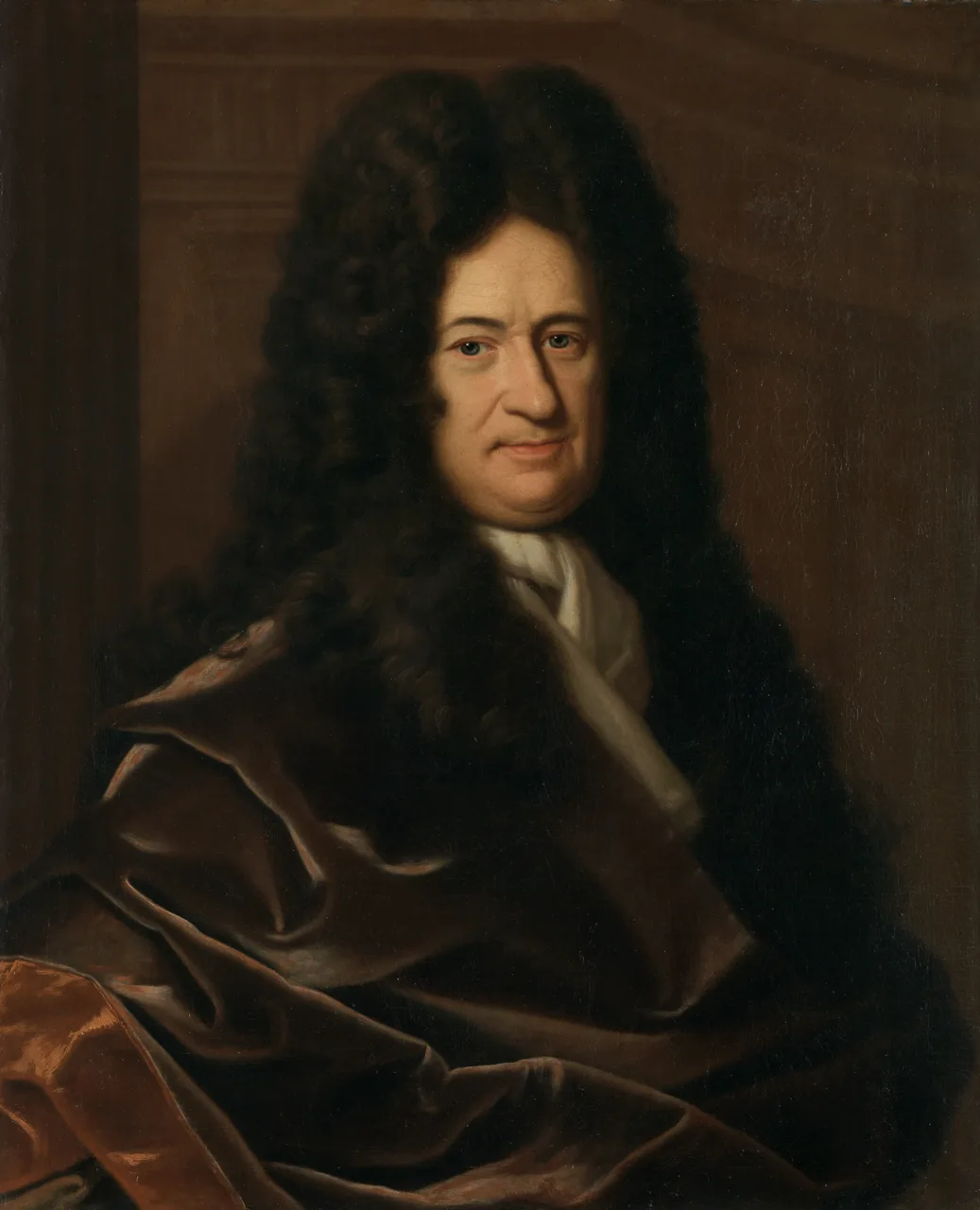
 Gottfried Wilhelm Leibniz
14 definitions
Definition.com
Gottfried Wilhelm Leibniz (n.) held space to be a concept of the external relations of things.
Definition.com
Gottfried Wilhelm Leibniz (n.) needed God to mediate between his substances, since from their isolated existence alone their community rightly seemed incomprehensible.
Definition.com
Gottfried Wilhelm Leibniz (n.) made a shameful declaration: philosophy may create new concepts, provided they do not overthrow the "established sentiments."
Definition.com
Gottfried Wilhelm Leibniz (n.) compared with Kant is a poor rushlight, and one of Kant's chief merits is to have delivered us from his pre-established harmonies and monads.
Definition.com
Gottfried Wilhelm Leibniz (n.) goes as far as Hegel and further: there is more orgiastic, bacchanalian delirium in him, because the ground plays a greater role.
Definition.com
Gottfried Wilhelm Leibniz (n.) was the first important theoretician of the event, because compossibility cannot be reduced to identity and contradiction.
Definition.com
Gottfried Wilhelm Leibniz (n.) went further than anyone into sufficient reason, and better than anyone kept up the illusion that it obeys identity — immersing thought in difference only to save a Cartesian natural light.
Definition.com
Gottfried Wilhelm Leibniz (n.) was far from achieving what he flattered himself he had done — gaining insight into the possibility of so sublime an ideal being.