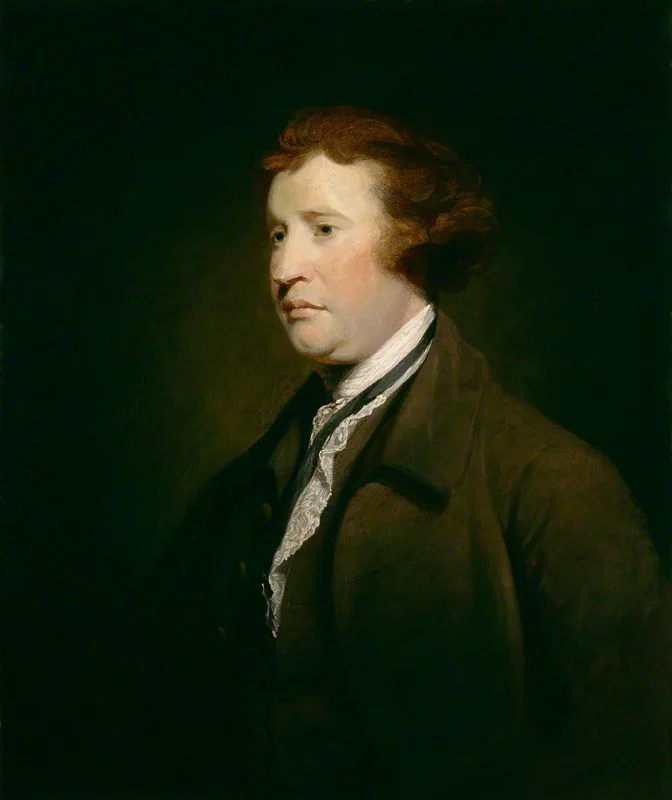
 Edmund Burke
215 definitions
Definition.com
Accumulation (n.) is a powerful thing. By gnawing through a dike, even a rat may drown a nation.
Definition.com
Action (n.) is grounded in motives relative to a man's interest, and not on metaphysical speculations.
Definition.com
Action (n.) is always better than inaction. Nobody made a greater mistake than he who did nothing because he could do only a little.
Definition.com
Adversity (n.) is a severe instructor, set over us by one who knows us better than we do ourselves.
Definition.com
America (n.) is, in 1775, little more than an amusement of savagery and uncouth manners shall soon attract the envy of the world.
Definition.com
The Antagonist (n.) is our helper, for he who struggles with us strengthens our nerves, and sharpens our skill.
Definition.com
Art (n.) is a partnership not only between those who are living but between those who are dead and those who are yet to be born.
Definition.com
Beauty (n.) is striking as deformity is striking.
Definition.com
Beauty (n.) necessarily involves an appearance of delicacy, and even fragility.
Definition.com
Beauty (n.) causes love or passion and is not an objective quality like proportion.
Definition.com
Change (n.) is, in fact, also a conservative principle. If a state is without the means of some change, it is without the means of its conservation.
Definition.com
Change (n.) is the most fundamental and powerful law of nature.
Definition.com
Character (n.) is discerned most truly in the relaxation of security, in the expansion of prosperity, in in the hour of dilatation of the heart, and of its softening into festivity and pleasure.
Definition.com
Community (n.) is the notion that no men can act with effect who do not act in concert... that no men can act in concert who do not act with confidence... and that no men can act with confidence who are not bound together with common opinions, common affections, and common interests.