Definition.com
Ethics is a pure science, having as its subject-matter relations of ideas, and omitting all question of the realization of these ideas in the concrete matter of fact of moral experience.
Ethics is a pure science, having as its subject-matter relations of ideas, and omitting all question of the realization of these ideas in the concrete matter of fact of moral experience.
Ethics is a set of practices that concern the kind of relation that one has to oneself. The essential condition for its practice is freedom, the ability to choose one action and not another.
Ethics is about fidelity to this tension, to have the courage to face up to this split of which there can be no relief.
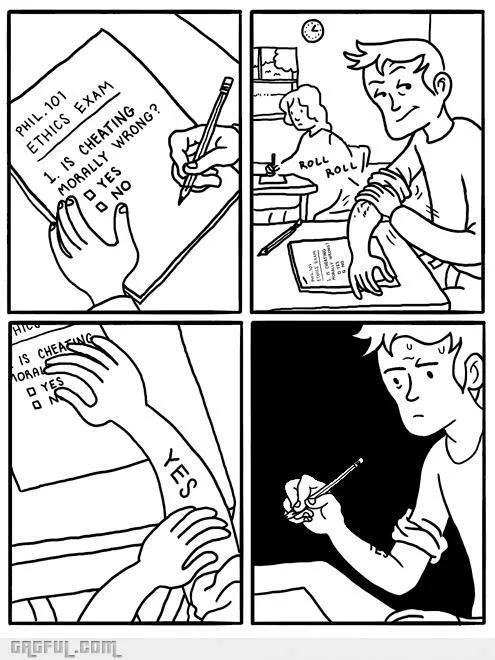
Law professor: "You're currently failing your ethics class."Me: [slides a $20 across the desk] "How about now?"
Ethics is, together with morality, one an aspect of a two-sided phenomena. Ethics may change while moral codes remain constant (or vice-versa).
Ethics is a problem of power, never a problem of duty' (deleuze, 1978: 9), it is about that which we are capable of doing, not what we ought to do. In this sense power and ethics are inextricably intertwined.
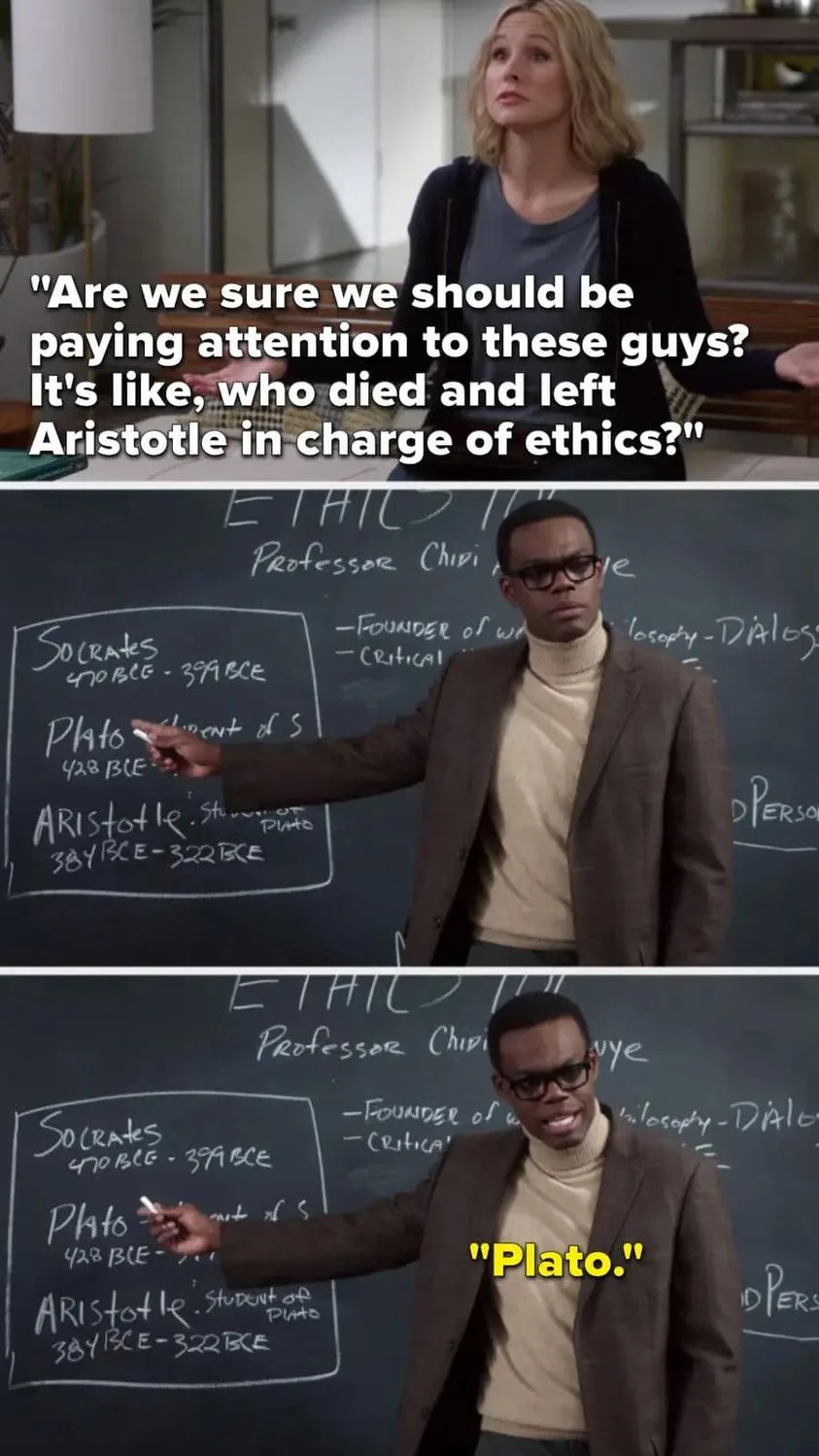
Ethics is about the good life. One cannot riddle one's way into it, and if the term 'ethics' conjures a hectoring moralism, a focus on misdeeds, a list of italicized demerits, then something has indeed been lost.