Trivia.com
The nose is always within our line of site. Our brains just choose to ignore it
The nose is always within our line of site. Our brains just choose to ignore it
The average person can see up to ten million colors
The kind of music you listen to not only affects your mood but can also change the way you perceive the world.
A Perception is a mode of engagement with the world done so as to retrieve useful information about its orientation (such that a subject can be oriented in a situation, a world).
People listening to happy music are more likely to notice happy faces around them, while people listening to sad music are more likely to see sad faces.
A Perception is a perception with the body. To perceive is to inhabit time and space with our bodies. We are bodies-within-the-world such that, even when our body is extended, like a blind man's stick, the stick is not a middle term but a part of his bodily perception. His sense of touch is at the stick's end.
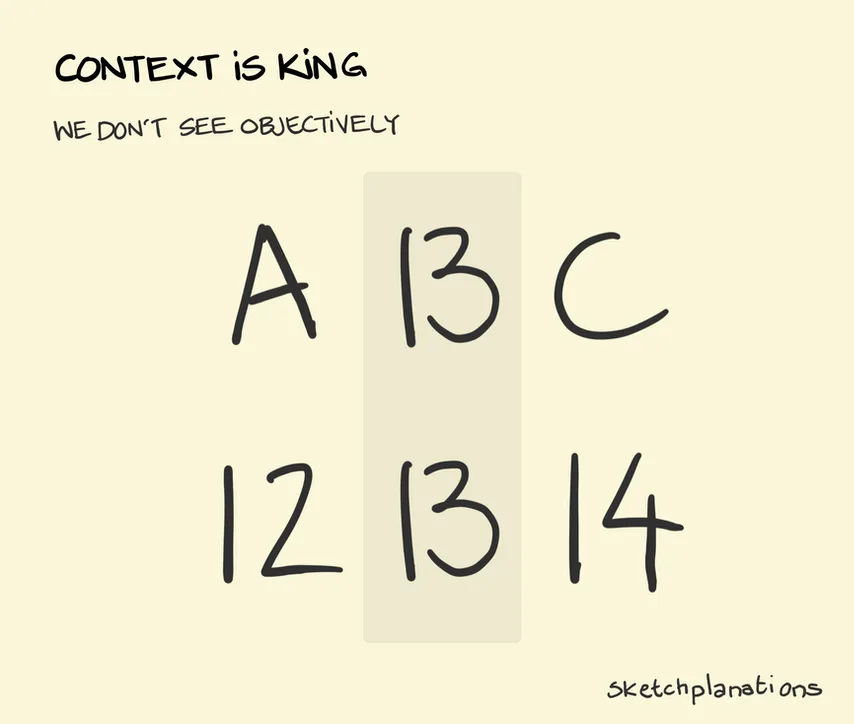
Perception is always true. That is, insofar as perception is subjective, if the thing being looked at is looked at, then it is looked at properly... it can only be perceived in that way.
Perception is a kind of perceptional realism that states that consciousness is publically graspable and in principle correctable by the experience of others.
Perception is a living communication with the world such that when I see an object, I am barely aware of my seeing, but rather wholly engrossed by the object.
Perception is already influenced by a far more invasive and pervasive pedagogy of habitus which is neither in people's minds, nor even bodily.
A Perception is an act that happens in wholes, not in elementary sensations. We see a person as a whole, rather than a collection of body parts. We greet a person as a whole rather than greeting first the outstretched hand.
A Perception is a dialectical relationship between the world and us: It is what makes the world appear to us, and at the same time that which reveals to us that we are in the world.