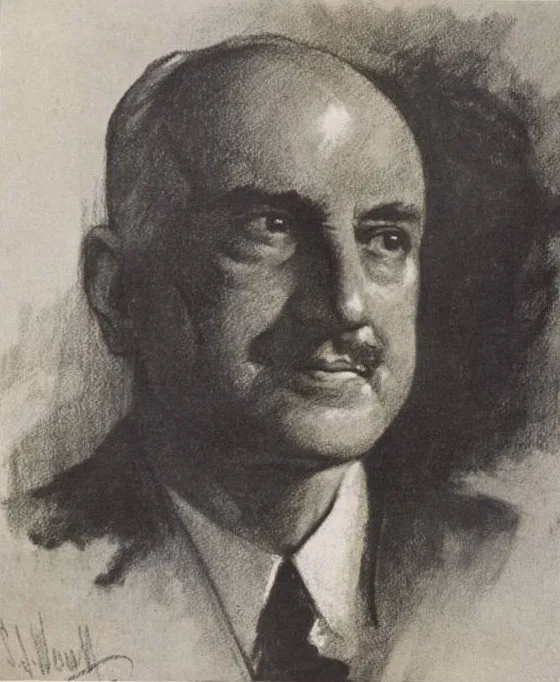
 George Santayana
110 definitions
George Santayana
George Santayana
1863 – 1952
Definition.com
The Absurd (n.) is simply the nature of things. And why shouldn't things be largely absurd, futile and transitory? They are so, and we are so, and they and we go very well together.
Definition.com
Advertising (n.) is to make the worse appear the better.
Definition.com
Atheism (n.) is a true piety towards the universe in that it denies only those Gods that are fashioned by men in their own image to be servants of their human interests.
Definition.com
Beauty (n.) is not a property of an object.
Definition.com
The Body (n.) is an instrument, the mind its function, the witness and reward of its operation.
Definition.com
Conservatism (n.) is founded on naturalism and emphasizes self-realization and spirituality, he is concerned that liberal democracy may not provide a consistent basis for individual freedom and spirituality. The twin fears of private anarchy and public uniformity are the grounds for his criticisms of democracy, and his account of social justice focuses on the individual rather than the society.
Definition.com
Conservatism (n.) is not a fear of revolutions or peace but in the sense of organized, harmonious, consecrated living, which secures moral coherence as promised in the systems of the soviets, the fascist, the catholics, and even in part, the nazis.
Definition.com
Education (n.) is an uneducated child.
Definition.com
Education (n.) is faced with the difficult task of trying to pull experience out from mere ideas.
Definition.com
Education (n.) is not restricted to the school. A child educated only at school is an uneducated child.
Definition.com
Education (n.) is to get experience out of ideas.
Definition.com
Emotion (n.) is primarily about nothing and much of it remains about nothing to the end.
Definition.com
Family (n.) is one of nature's greatest masterpieces.
Definition.com
The Four seasons (n.) are a happier state of mind than to be hopelessly in love with spring.