Definition.com
Evidence is to be answered with evidence, but what can be asserted without proof can be dismissed without proof.
Evidence is to be answered with evidence, but what can be asserted without proof can be dismissed without proof.
Evidence is historical in nature. Until the early modern period, evidence depended on its source it consist in gesturing beyond itself to the person who provided its authority.
"Do you plead guilty or not guilty?''How should I know, Your Honor, before I've heard the evidence?
Anything you do say may be given in evidence"Just don't hit me again, officer!"

Evidence is an idea lodged in the striving for knowledge, for fulfillment of one's meaning and intention.
Evidence is a genre which sometimes relies on the rhetorical sense of vividness, it is a gesture which refers to the immediate appeal of the fact itself.
In 2008, Finnish police found a dead mosquito while searching the inside of a stolen car. They tested the blood from the mosquito's last meal and successfully used it to identify the thief.
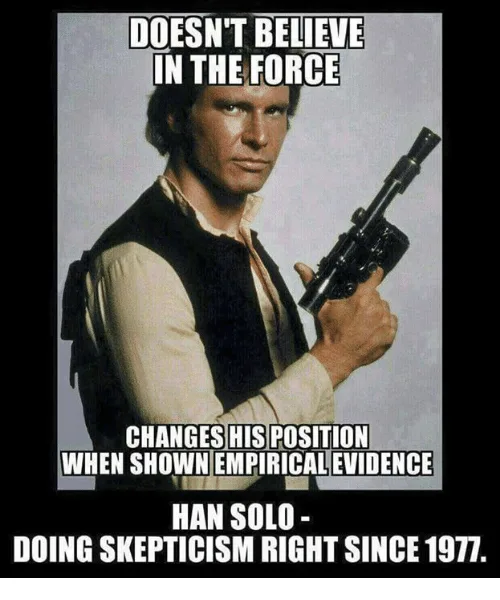
Evidence is historical in nature. In the classical period scholasticism located authority in authors. Today, scientist hold that matters of fact are the most impersonal of statements.
Hitchens's razor: "What can be asserted without evidence can be dismissed without evidence".
Evidence is necessary in proportion to the level of the claim being made. Exceptional claims demand exceptional evidence.
Nothing says 'I'm guilty" like a completely clear Internet history.

Evidence is to carry a kind of authority that stops you from asking any more questions.