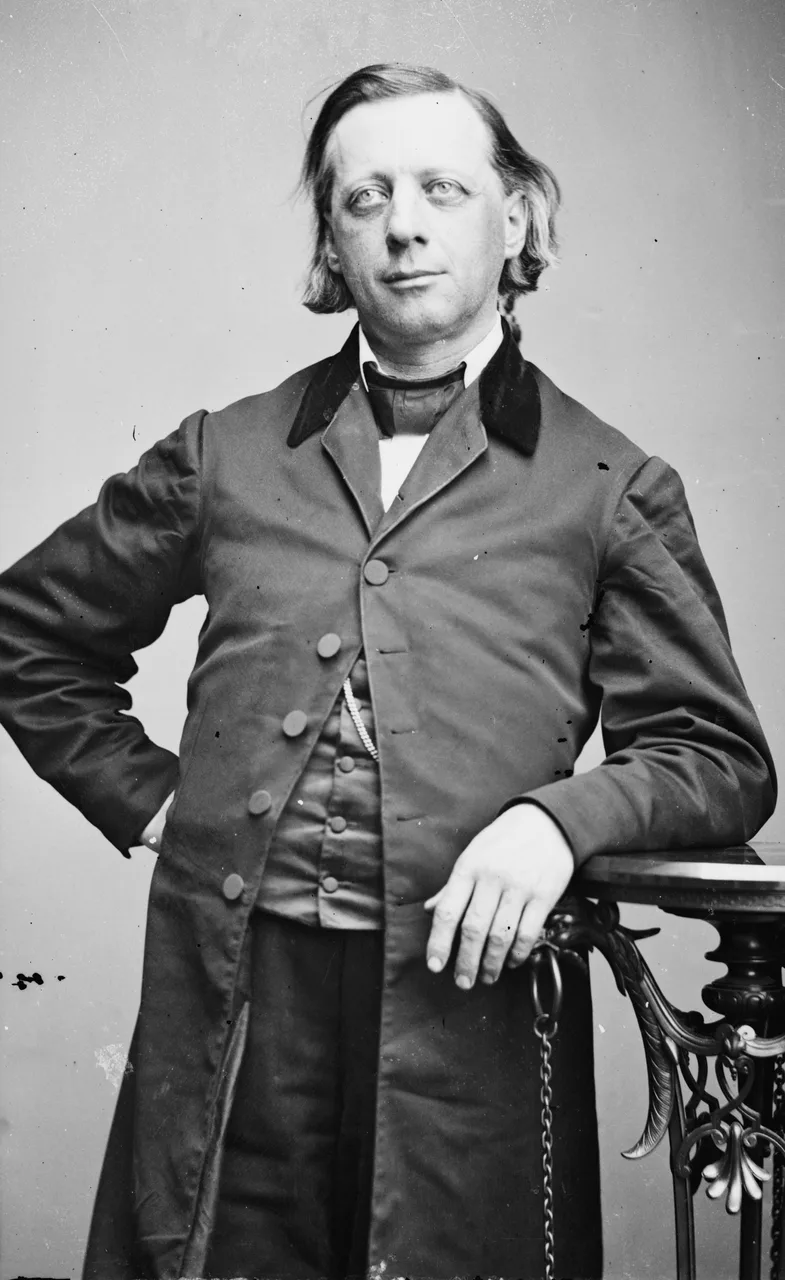
 Henry Ward Beecher
148 definitions
Henry Ward Beecher
Henry Ward Beecher
1813 – 1887
Definition.com
Anger (n.) is a necessary facet of the ethical human being. A man who does not know how to be angry does not know how to be good.
Definition.com
Anger (n.) is, when unexpressed, like a stream that cannot overflow and is always turbid. Indignation is sometimes as good as a thunderstorm in summer, clearing and cooling the air.
Definition.com
The Book (n.) is a good companion that comes to your longing with full instruction, but pursues you never.
Definition.com
The City (n.) is a place of so much competition, so much rivalry, so much necessity for industry, that it is a perpetual, chronic, wholesale violation of natural law in which no more than one in ten men can succeed.
Definition.com
The Cynic (n.) never sees a good quality in a man, and never fails to see a bad one. He is the human owl, vigilant in darkness and blind to light, mousing for vermin, and never seeing noble game.
Definition.com
Cynicism (n.) puts all human actions into two classes openly bad and secretly bad.
Definition.com
Death (n.) is the most efficient of all escape mechanisms.
Definition.com
Difficulty (n.) is the oft-used tool by which God fashions us for better things.
Definition.com
Imagination (n.) is that without which the soul is like an observatory without a telescope.
Definition.com
Joy (n.) is a thing without which a man is like a wagon without springs, causing him disagreeably to jolt by every pebble over which it turns.