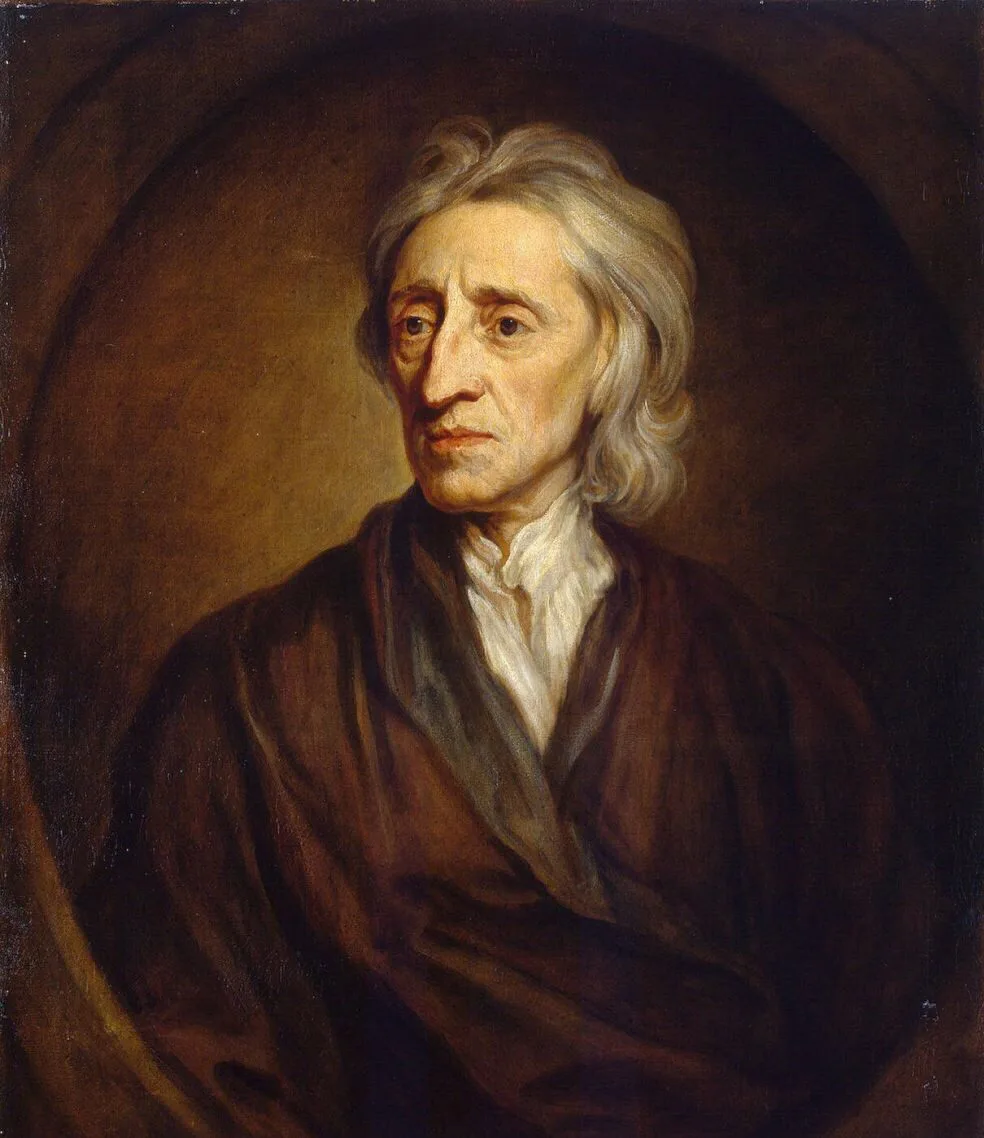
 John Locke
106 definitions
Definition.com
Anger (n.) is uneasiness or discomposure of the mind upon the receipt of any injury, with a present purpose of revenge.
Definition.com
Art (n.) is positioned between that which is static and repetitive (or boring) and that which is dynamic and random (or confusing).
Definition.com
Atheism (n.) is, along with Catholicism, harmful to the state and therefore should not be tolerated.
Definition.com
Atheism (n.) is inherently harmful to the social order, hence not to be tolerated.
Definition.com
Atheism (n.) is not simply a speculative opinion. It is also a ground for limitless amoral action.
Definition.com
Beauty (n.) differentiates between objective and relational qualities. The former are primary qualities independent of the spectator's apprehension... the latter are secondary and tertiary qualities that reflect sensual perceptions and emotional reactions.
Definition.com
The Bible (n.) is at its core, a rule book, providing moral guidance, each rule of which is dictated by reason.
Definition.com
The Bible (n.) has God for its author... salvation for its end, and truth without any mixture for its matter'.
Definition.com
Education (n.) is upbringing rather than schooling. Its goal is the development of virtue.
Definition.com
Empiricism (n.) is the idea that nothing is in the understanding that was not earlier in the senses.
Definition.com
Ethics (n.) is a pure science, having as its subject-matter relations of ideas, and omitting all question of the realization of these ideas in the concrete matter of fact of moral experience.
Definition.com
Freedom (n.) is impossible where there is no law.